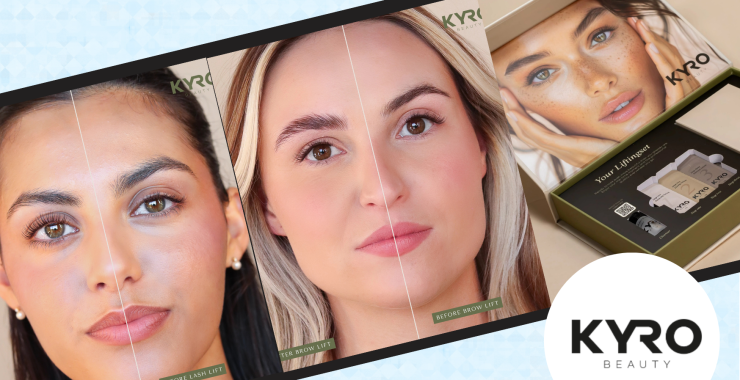
Know what you’re buying before you lift Before you buy, check that the kit includes everything needed for a complete process, such as a cleansing brow lift kit prep, lifting solution, setting ...
10Sep


Uneven pigmentation can come from many sources, including sun exposure, post-breakout marks, and inflammation-related melanin overproduction. That’s why a one-size-fits-all approach often disappoints—some formulas focus on soothing and barrier support, while others prioritize pigment modulation. A good routine starts dark spot corrector with identifying whether your main concern is stubborn discoloration, active blemishes, or sensitivity that worsens after treatment. When you pick the right balance, you’re more likely to see visible improvement without sacrificing comfort.
In service-based skincare, you’ll notice that providers often tailor recommendations based on your skin’s tolerance and the type of discoloration you’re working on. The same logic applies when comparing corrective skincare products at home. Look for ingredients that target the appearance of dark spots while also supporting the skin’s recovery process. If your skin is reactive, choosing a well-formulated corrective step can help reduce irritation-related rebound, which is a common reason pigmentation looks worse after harsh treatments.
Many correctors pair pigment-targeting compounds with soothing ingredients so the skin stays steady while discoloration fades. In contrast, a vitamin C serum for hyperpigmentation is often used vitamin c serum for hyperpigmentation for brightening and antioxidant support, which can help reduce the appearance of dullness and help skin look more even. The difference isn’t whether one is “better,” but whether your skin needs consistent treatment for marks, additional brightness support, or both.
When comparing services or at-home routines, think about how your products will interact across the week. A corrector may be most useful when your main goal is fading specific areas, such as post-blemish spots or patchy tone. A brightening serum may be most useful when your goal includes glow, radiance, and visible improvement in overall uneven tone. For many people, the most effective plan combines a targeted corrector with a supportive brightening step, as long as you introduce them thoughtfully to avoid over-exfoliation or irritation.
To make the comparison practical, review your current routine and note where irritation occurs. If you’re already using strong exfoliants, a dedicated pigment-correcting step may need gentler pairing. If your skin is calm but your tone still looks uneven, adding a brightening serum can complement your existing moisturizer and help you maintain a balanced complexion. The goal is a routine where each product has a role, rather than stacking multiple intense actives that create downtime.
When you compare dermatology-style services to clinical skincare products, focus on outcomes and tolerability, not just marketing claims. In many professional settings, providers evaluate how your skin responds to treatment by looking at redness, dryness, and how quickly the area returns to baseline. At home, you can mirror this by assessing how your skin reacts after introducing a new corrective product. Ingredients like antioxidants, skin-soothing components, and controlled pigment-supporting actives often matter as much as the “main” brightener.
For example, some services emphasize topical systems with consistent application schedules, while others may prioritize in-office procedures for faster results. Your skincare routine can still follow a smart strategy by selecting a corrector that fits your sensitivity level. If your skin tends to get dry, a balmy or balm-like texture can improve comfort and help you stay consistent. If your skin is oily or prone to congestion, a lightweight corrective formula can reduce the risk of feeling heavy or greasy while treating discoloration.
Consistency is also a key comparison factor. Many people see better results when they avoid constant switching and instead give their routine enough time to show changes. If you’ve tried multiple products before, you may be switching too frequently, preventing your skin from settling into a stable response.
The best way to compare dark spot treatments is to evaluate how each option supports your skin’s needs: targeted fading, overall brightening, and comfort during use. When you match product function to your skin’s tolerance, your routine becomes more predictable and easier to maintain. If you’re looking for a clinical, Korean American approach to visible skin concerns, Dermaesthetics Beverly Hills offers skincare designed to support clearer and brighter-looking skin. You can explore options like the EGF Blemish Balm at dermaestheticsusa.com to help with the look of uneven pigmentation while keeping the routine skin-friendly. Informed comparisons—between correctors, serums, and service-based guidance—help you choose a plan that fits your goals and your skin’s comfort level.


 How to create new field