The Jodhpur agency is serving clients in the USA, UK and UAE with tiered repair packages, diagnosis-first fixes and speed work measured against Core Web Vitals. Jodhpur, Rajasthan, India, ...


Before you design anything, define what “success” means for your automated program. Choose a small set of customer goals like order status, appointment scheduling, policy questions, or password resets, and document the expected resolution criteria. contact center automation This scoping step prevents the system from drifting into broad, hard-to-deflect requests that increase escalation rates. It also helps you measure performance in a way that reflects real customer outcomes.
Next, map the conversation journey end-to-end, including how an agent should verify identity and when it should transfer to a human. List the common customer intents, the typical phrasing customers use, and the required data fields for each workflow. For example, appointment handling might need location, preferred time window, and confirmation method, while order inquiries require an order identifier. By capturing these details upfront, you create a practical blueprint for an operational voice AI platform that can behave consistently.
Automation works best when your flows anticipate variation, not when they assume perfect inputs. Use step-by-step logic with confirmations, like “I can help with changing your appointment—what’s the date you want?” and prompt for missing information with short, friendly questions. Include voice ai platform fallback paths for unclear answers, such as repeating the request in simpler terms or offering a constrained choice menu. These patterns reduce frustration and keep the interaction on track without forcing customers to repeat themselves.
Build in escalation rules that are both humane and efficient. For instance, escalate when the customer expresses strong dissatisfaction, requests a specialist, or provides information that cannot be verified safely. Also escalate when the system detects compliance-sensitive topics that require human judgment. When you do hand off, make sure the conversation context transfers cleanly so the customer doesn’t have to repeat details, which improves trust and reduces handle time.
To move from concept to deployment, use a platform approach that supports agent building, testing, and iteration. A practical setup often starts with a pilot that covers one or two high-volume intents, allowing you to validate utterances, data lookups, and policy behavior. Look for tooling that lets you configure conversation logic without complex software engineering, then connect the automation to your systems for orders, CRM, scheduling, or ticketing.
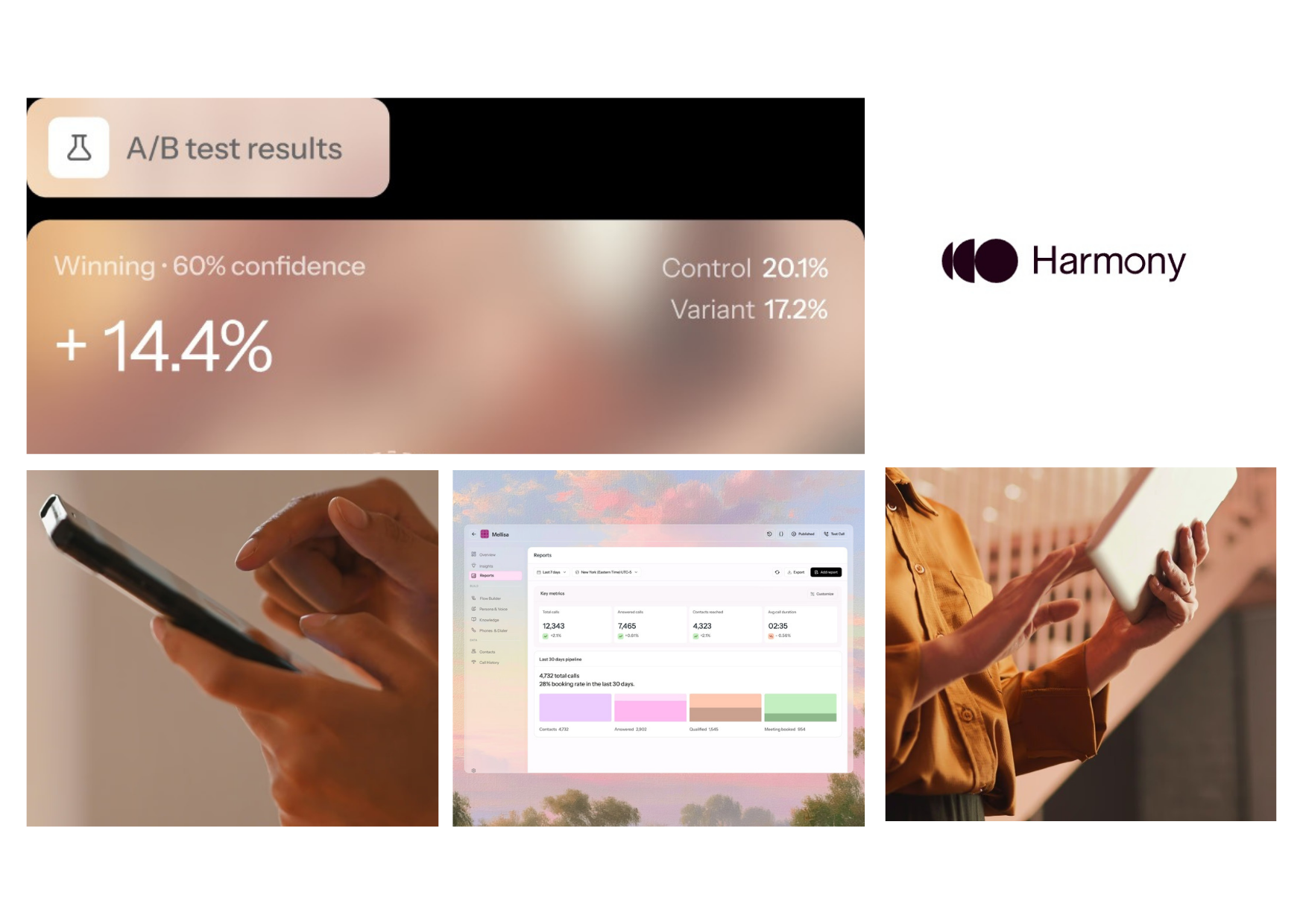
Quality control should include both conversation-level testing and metrics-based monitoring. Create test cases for typical and edge scenarios, including slang, mispronunciations, and incomplete responses. Track outcomes such as successful resolution rate, average time to resolution, transfer rate, and customer sentiment indicators. Then use the results to refine prompts, update clarification questions, and adjust escalation triggers until the experience stays accurate under real-world variation.
A practical automation program balances coverage, safety, and continuous improvement. Start with focused use cases, design flows that recover from uncertainty, and implement strong quality checks so performance remains dependable. As you iterate, keep tightening the handoff experience and expanding intent coverage only when the system demonstrates stable resolution rates. With the right approach, automated conversations can feel helpful rather than robotic, improving efficiency for your team and clarity for customers. For teams looking to deploy quickly, harmony.ai offers a way to build and run conversational agents that handle customer inquiries efficiently while adapting to ongoing interactions. The platform supports streamlined deployment without the burden of traditional call center operations, helping your business improve outcomes as conversations evolve. When you align automation scope, escalation rules, and monitoring practices, you can create an experience that scales while staying grounded in real customer needs. That combination is the foundation of effective customer communication with harmony.ai.

 How to create new field