
Advanced Drain Cleaning, Inc. helps Chelmsford businesses prevent plumbing emergencies through professional commercial drain cleaning, preventive maintenance, and reliable service. CHELMSFORD, MA ...
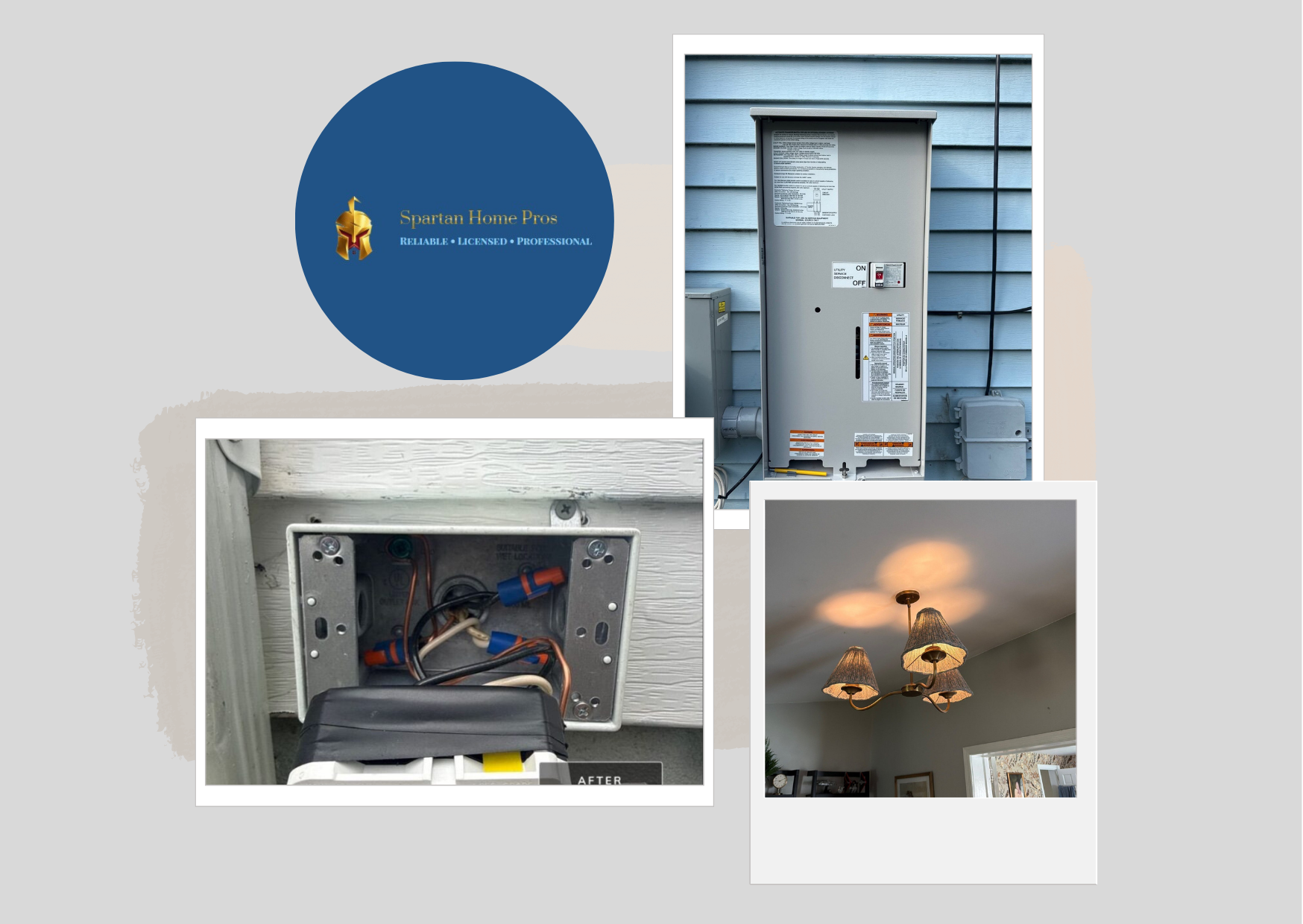
Buyer’s Guide to Whole-Home Backup Power for Homes
Start With Your Outage Priorities and Load Needs
Before you shop for backup power, map out what you truly need to keep running during an outage. Many homeowners focus on refrigeration, medical devices, lighting, and internet, while others want HVAC comfort or garage door operation. Write a simple list whole house generator installation of essential items and note whether each one is critical for safety, work, or daily routines. This clarity helps you avoid overspending on capacity you won’t use and prevents under-sizing that leads to inconvenient shutdowns.
Next, estimate your electrical load in practical terms. Appliances and electronics have different power characteristics, including starting surges for motors and compressors. A licensed electrician can help you evaluate both running watts and surge requirements so the system can handle real-world startup conditions. If you have or plan to add high-demand items, such as a pool pump or workshop equipment, factor that into your planning to support long-term reliability.
Compare Generator Types, Transfer Options, and Site Constraints
Generator selection depends on fuel preference, noise considerations, and how quickly you want power restored. Air-cooled options may suit many residential setups, while other configurations can fit specific property constraints. Your installer should also explain how fuel delivery ev charger installation or storage works, including how long the system can sustain typical household loads. Understanding these details helps you choose a model that matches both your lifestyle and your expectations for backup duration.
Equally important is the transfer mechanism that connects generator power to your home safely. A properly engineered transfer approach prevents backfeeding and ensures stable power distribution to the correct circuits. During the evaluation, the installer should review clearance requirements, ventilation, and placement so the equipment performs efficiently and remains accessible for service. Site conditions like roof lines, prevailing winds, and the location of electrical panels can influence the best installation layout.
Plan for Electrical Integration, Permits, and Future EV Charging
Even when a generator is sized correctly, installation quality determines whether the system runs safely and smoothly. Expect an electrical design that coordinates circuits, wiring methods, and protective devices with your existing panel. A buyer-intent approach means asking how the installer handles surge loads, neutral/grounding requirements, and any coordination with your main service equipment. When the design is thorough, the generator supports essentials without creating nuisance tripping or voltage issues for sensitive electronics.
If you’re considering an electric vehicle, plan ahead for charging capacity during generator-backed power planning. Many homes can benefit from EV charging controls that balance load and reduce stress on the system during an outage. Discuss whether you want dedicated charging equipment or a managed charging setup that limits draw to what your backup system can handle. Integrating power needs early can also reduce repeat work, since panel upgrades or circuit additions may overlap with generator and charging requirements.
Conclusion
Choosing the right system is easiest when you treat backup power as a whole-home design problem rather than a single purchase. Focus on essential loads, verify correct sizing and safe transfer methods, and coordinate installation details with your panel and wiring layout. If you want reliable support for outage readiness—especially when planning for additional electrical needs—work with a licensed provider who understands residential power integration. njspartan.com offers licensed electrical services that help protect essential systems, comfort, and convenience through unexpected power interruptions. As you prepare to move forward, request a clear scope of work that includes evaluation, electrical design, permitted installation steps, and commissioning checks. Ask how the system will operate during different outage scenarios and how it should be maintained over time. A strong buyer experience includes transparent recommendations and guidance on best practices for safe, dependable performance. With that approach, you’ll get confidence that your backup power setup is ready to support your home when it matters most.

 How to create new field