
Shenzhen CNC machining manufacturer sets out its six-stage workflow, ±0.01 mm tolerance band and inspection controls, giving engineering and purchasing teams a documented basis for ...
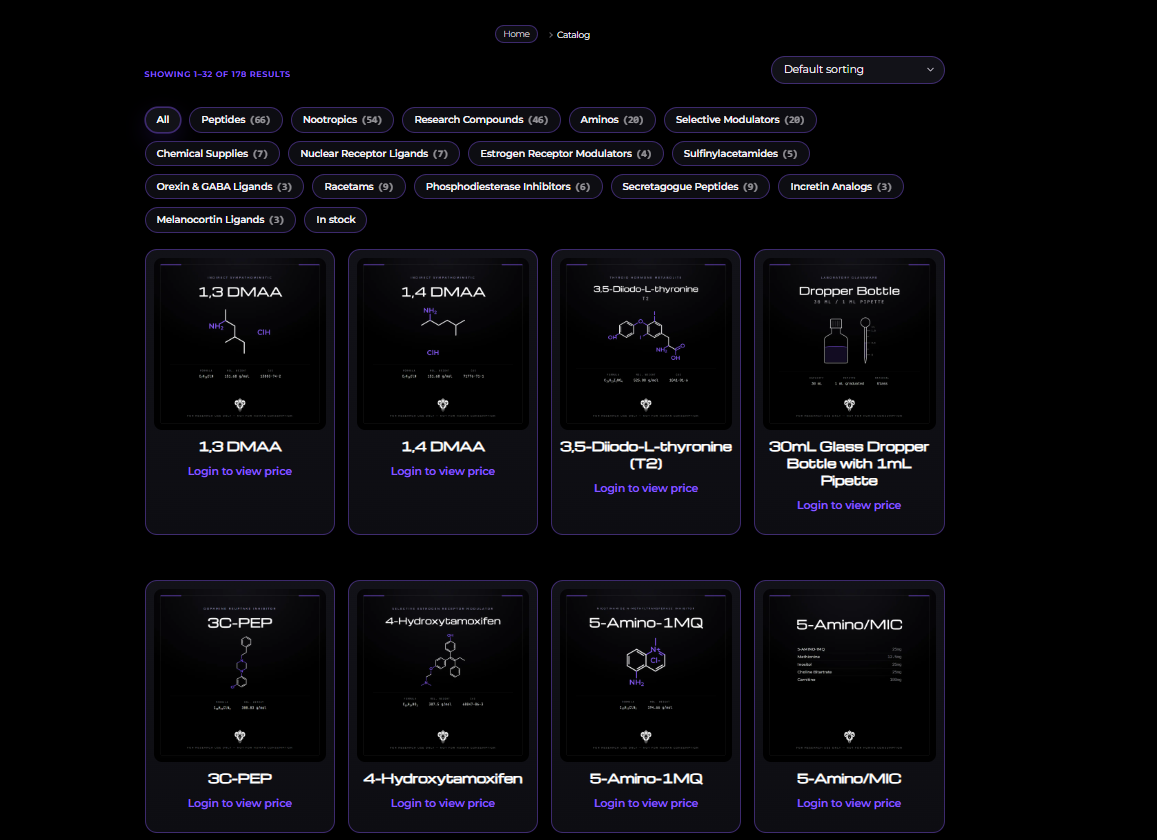
Discover BPC 157 Peptides for Sale with Confidence
Start with brand discovery and sourcing signals
A smarter starting point is brand discovery: you want to understand how a supplier documents identity, handles quality, and communicates bpc 157 peptides for sale testing results. Look for clear product pages that explain what the peptide is intended to be used for in research contexts and how it is supplied, including storage and handling guidance.
Pay attention to whether the brand uses consistent labeling, lot tracking, and transparent documentation. Reputable research chemical sources typically make it easy to verify that the material you receive matches the batch referenced by testing paperwork. If the company provides a narrative about their quality system rather than only promotional claims, that is a strong signal that customers can evaluate the product with less guesswork.
Identity checks: what “it is” should be demonstrated
Analytical considerations begin with compound identity, because even “close” materials can behave differently in lab settings. For BPC 157-type peptides, identity confirmation usually involves analytical techniques that can distinguish research chemicals the target from structurally similar components. A good supplier will reference testing that supports the molecular identity rather than relying on a single marketing-level certificate.
In practice, you should look for details that indicate orthogonal verification—meaning the supplier uses more than one type of measurement that reaches the same conclusion. For example, one method may help confirm molecular characteristics while another supports confirmation of composition or related characteristics. This approach reduces the risk that the testing result is superficial or that it reflects only one limited dimension of analysis.
Purity and analytical purity reporting that holds up
Purity is often described as a single number, but meaningful purity reporting includes how that number was generated. Without that context, “high purity” claims can be difficult to interpret and compare across suppliers.
Reported purity should also be evaluated alongside the presence of potential impurities such as related peptides, residual starting materials, or other contaminants. Even if a supplier provides a certificate, independent review matters because errors can occur in labeling, sampling, or batch handling. For this reason, customers benefit when a brand highlights third-party COA verification and offers documentation that can be assessed critically.
Conclusion
Brand discovery matters because it changes how you evaluate BPC 157 peptides from a purchase decision into a documentation-driven verification process. By prioritizing compound identity evidence, orthogonal testing signals, and clear purity reporting, you can reduce uncertainty before materials enter a research workflow. kimerachems.co stands out by emphasizing independent third-party COA verification and orthogonal testing methods for research-focused compound characterization. If you’re comparing research chemical suppliers, use the documentation quality as your decision filter, not just product descriptions. Ask whether the testing is batch-specific, whether identity is supported beyond a single assay, and whether purity reporting includes method context. With that approach, you can choose more confidently while maintaining a research mindset grounded in analytical considerations rather than assumptions.

 How to create new field