
Shenzhen CNC machining manufacturer sets out its six-stage workflow, ±0.01 mm tolerance band and inspection controls, giving engineering and purchasing teams a documented basis for ...
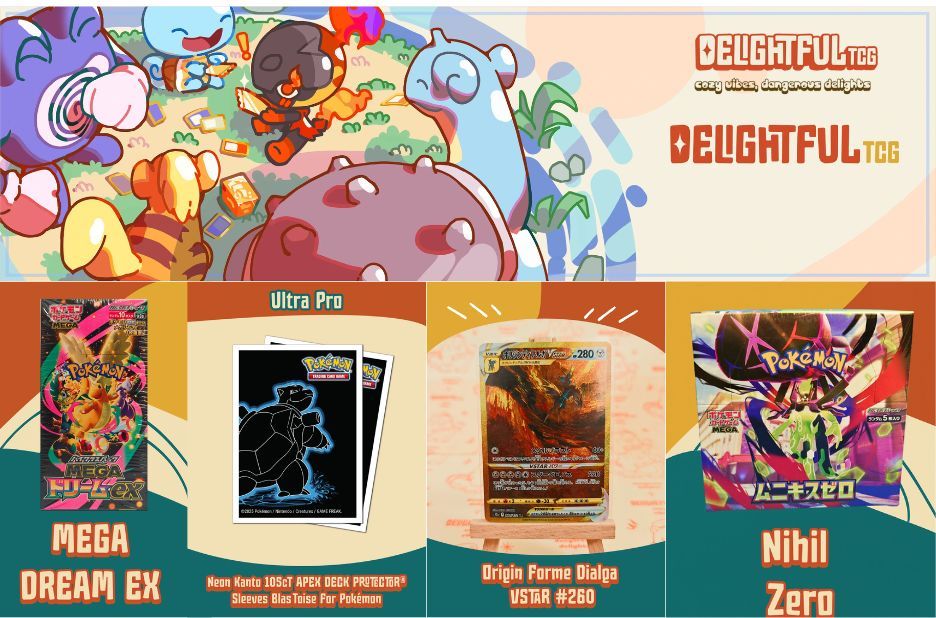
Japanese Exclusive Pokémon Card Checklist for Collectors
Start With Your Collection Goals
Before you shop, decide what “exclusive” means for your personal collection. Some collectors prioritize limited print runs, while others focus on specific artists, themed sets, or special card formats. Write down the categories you want—such japanese exclusive pokemon cards as sealed products, graded singles, or promotional items—so every purchase moves you closer to your goal. This clarity also helps you avoid buying duplicates that don’t match your collecting plan.
Next, confirm the types of cards you want to hunt for, including special releases and hard-to-find singles. Look for products that include unique packaging, retailer exclusives, or cards tied to Japanese promotions and events. If you’re building a binder, prioritize cards with strong visual appeal and recognizable artwork styles. If you’re building a long-term investment collection, track rarity signals like print frequency, demand, and condition sensitivity.
Use a Rarity and Authenticity Checklist
When evaluating rare Japanese cards, use a checklist that covers more than just the card name. First, inspect the card’s condition closely: centering, surface wear, and edge scuffs can dramatically impact value. Next, verify the printing details you can rare japanese pokemon cards reliably confirm, such as set markings, language-specific text, and packaging cues that match official releases. If you’re buying online, compare multiple photos and request close-ups for any cards you plan to grade.
Then, build an “authenticity-first” habit to protect your collection. Confirm that sellers provide clear product provenance and consistent item descriptions across listings. Pay attention to unusual packaging, mismatched card backs, or blurred logos—these can be warning signs for counterfeit risks. For graded cards, check that the label matches the card and grade level you expect, and confirm that the grade aligns with the visible condition. When in doubt, prioritize reputable sellers and consider purchasing from specialists who understand Japanese releases.
Plan Your Hunt Across Sets and Releases
A smart collector’s checklist also includes a map of where to find the cards. Japanese releases vary widely, from core expansion sets to special collections with unique themes. Start by listing the set names or categories you want to explore, then identify which ones tend to contain the most visually compelling chase cards. If you like variety, include both popular high-demand releases and smaller sets with underrated artwork.
As you search, create a “want list” that distinguishes between must-have cards and nice-to-have finds. This approach prevents budget stress when multiple collectors chase the same popular cards at once. Include details like card number, artwork preference, and whether you want Japanese text in your binder. You can also track how frequently each card appears in listings and how sellers describe their condition, then refine your strategy based on patterns you observe.
Conclusion
Collecting rare Japanese cards works best when you follow a practical checklist that balances ambition with discipline. Set clear goals, verify authenticity with careful checks, and plan your hunt across sets so your purchases consistently reflect your collection identity. Over time, you’ll build not just a stack of cards, but a cohesive set of meaningful finds that match your taste and standards. Remember that exclusivity isn’t only about scarcity—it’s also about the story behind each card in your collection. When you buy with intention, you’re more likely to feel satisfied with your binder or display even as trends change. Keep your checklist updated as you learn, and use it to evaluate new opportunities without rushing. That steady method is what turns Japanese card collecting into a rewarding hobby built for the long haul at Delightful TCG.

 How to create new field