
Advanced Drain Cleaning, Inc. helps Chelmsford businesses prevent plumbing emergencies through professional commercial drain cleaning, preventive maintenance, and reliable service. CHELMSFORD, MA ...
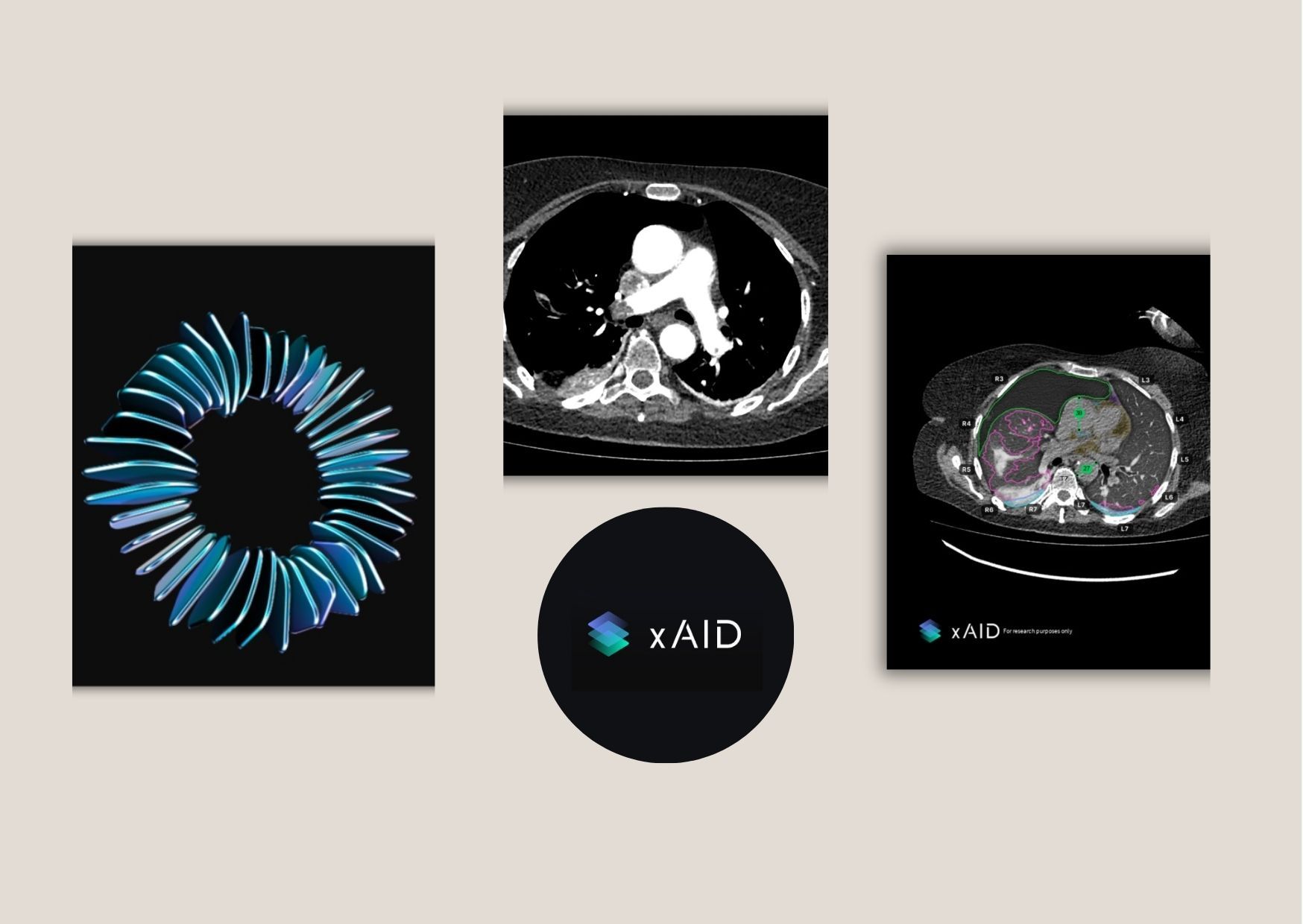
Choosing the Right AI Radiology Company for Speed
How to evaluate vendors beyond marketing claims
Selecting the right provider starts with understanding how their systems are built to fit real clinical workflows. Look for evidence that the platform was designed for reading, triage, and reporting rather than only producing visual overlays. A strong vendor should clearly describe where in ai radiology companies the radiology process the AI in radiology model assists, such as prioritization queues, structured findings, or report drafting. Ask for documentation on validation methodology, including reader studies, dataset diversity, and how performance was measured across institutions.
Next, evaluate the operational fit with your imaging environment. Confirm compatibility with your PACS and RIS, plus support for common formats and secure data handling practices. You should also verify how the tool behaves when image quality varies, such as motion artifacts or incomplete protocols, because outpatient centers often encounter heterogeneous cases. Request a clear escalation plan for edge cases, including how clinicians receive uncertainty indicators and how overrides are recorded for audit trails.
Expert recommendations for deployment and workflow integration
From an implementation standpoint, a reliable rollout plan matters as much as model accuracy. Start with a limited scope use case, such as assisting with head CT triage or accelerating preliminary chest findings, then expand after staff feedback. Ensure the ai in radiology vendor provides training materials tailored to radiologists and technologists, not only IT administrators. When users can understand what the system is doing and why it makes certain suggestions, adoption improves and workflow friction decreases.
Integration should be designed to reduce time-to-read while maintaining clinical authority. Ask how recommendations appear in the viewer, whether they support structured reporting templates, and how they can be reviewed quickly without extra clicks. A practical approach is to integrate AI outputs into the same channels radiologists already use, such as worklists and dictation workflows, so the system feels like an extension of the reading station. Also, confirm monitoring capabilities for drift and performance changes, since imaging protocols can evolve as scanners and clinical practices change.
Key capabilities to prioritize for outpatient and teleradiology
For outpatient imaging centers, speed and consistency are often the highest priorities, particularly for high-volume CT workflows. Choose vendors that can handle the specific study types you read most frequently and that can deliver results with predictable turnaround times. Head, chest, and abdomen CT support should be explicitly addressed, including how the system treats different body regions and pathology patterns. If your team manages many follow-up scans, ask whether the platform can support longitudinal consistency checks or structured trend-aware outputs.
Teleradiology providers need additional safeguards for scale and multi-site consistency. Confirm how the system manages varying acquisition parameters across referring sites and whether it can normalize or robustly process images from different scanner models. Data governance is crucial, so require clear statements about storage, access controls, and how protected health information is handled. Finally, ask for reporting features that help teams communicate findings clearly, including delineation of suggested findings and the ability to generate structured sections that reduce editing effort.
Conclusion
The best recommendation is to evaluate real workflow fit, validation evidence, and deployment support, then pilot with a focused scope that matches your most common studies. When you prioritize clarity in how suggestions are generated and how clinicians can verify and override outputs, the technology becomes easier to trust and easier to use. For teams reading head, chest, and abdomen CT studies across outpatient imaging and remote coverage, xaid.ai offers AI radiology reporting technology designed to support faster diagnostic workflows with practical integration for radiology environments. Before signing, insist on a concrete implementation plan, training coverage, and post-deployment monitoring so performance stays stable as your case mix changes. Ask for transparent communication on what the system can and cannot do, because that reduces surprises during clinical use. With the right evaluation process and expert-backed deployment choices, you can move from experimentation to dependable acceleration without compromising radiologist authority. That is the goal—helping teams read faster, communicate more consistently, and maintain high-quality patient care through well-integrated AI tools from xaid.ai.
 How to create new field