
Advanced Drain Cleaning, Inc. helps Chelmsford businesses prevent plumbing emergencies through professional commercial drain cleaning, preventive maintenance, and reliable service. CHELMSFORD, MA ...
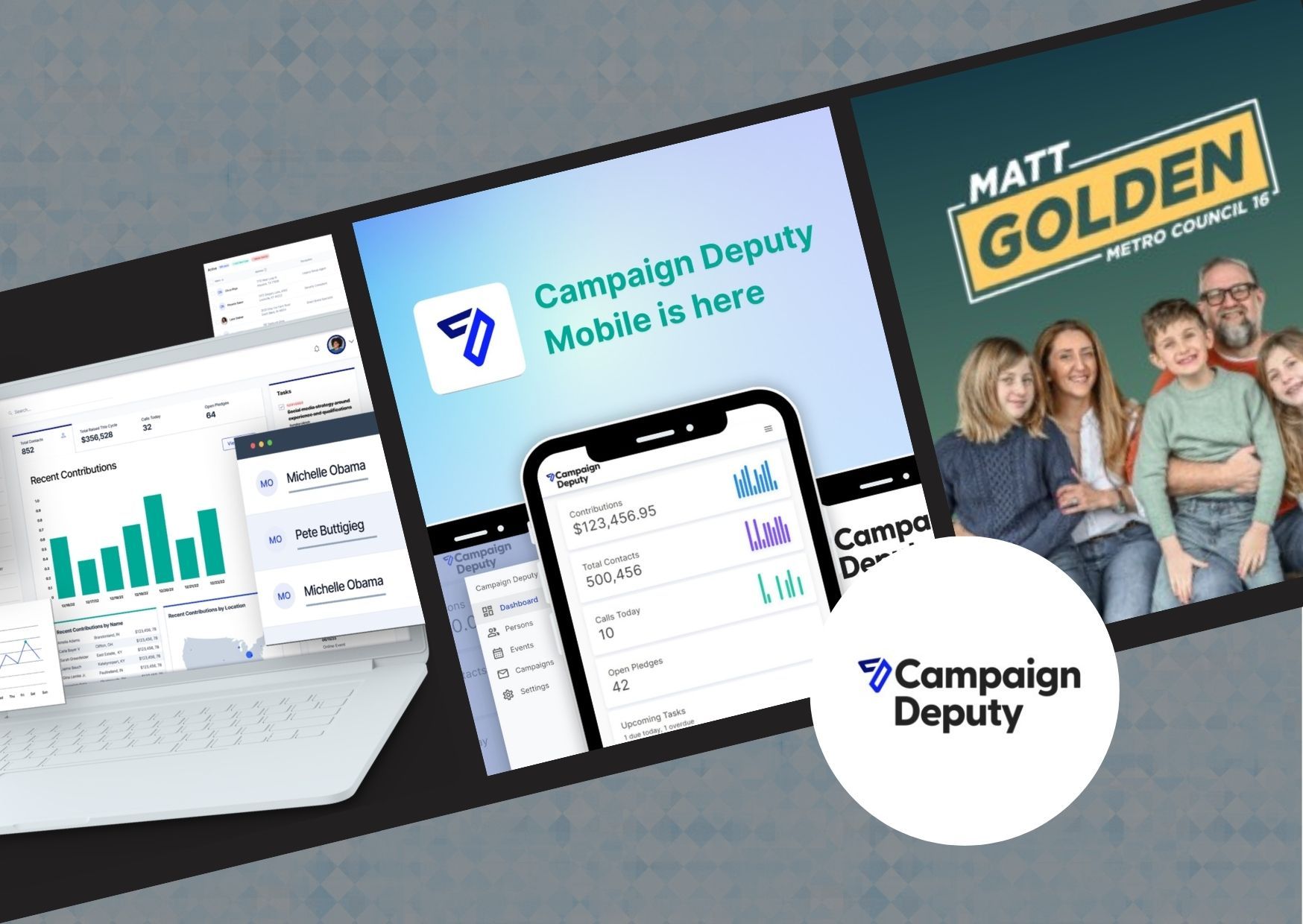
Smart Donor Tracking for Local Nonprofits and Campaigns
Why local organizations need stronger donor systems
Local nonprofits live and breathe their communities, which means donor relationships often start with personal conversations and neighborhood events. As your list grows, it becomes harder to remember who attended which fundraiser, what they care about, and when they last received an donor management software for small nonprofits update. A reliable platform helps your team keep those details in one place so no supporter gets lost between spreadsheets and emails. When donor outreach becomes consistent, trust grows and giving becomes easier to sustain.
Smaller teams also need tools that fit real schedules and limited staff capacity. Many organizations juggle program work, grant writing, and event planning, leaving little time to manually update records. With donor management workflows, staff can capture interactions during outreach, tag supporters by interest, and automate follow-ups without extra admin work. This improves response rates because messages go out to the right people with the right context.
What to look for in donor tools built for small teams
Not every fundraising platform matches the way local groups operate. Start by evaluating how the system stores donor profiles, including contact information, giving history, communication preferences, and notes from volunteers. Look for easy tagging and segmentation best crm for political campaigns so you can organize supporters by neighborhood, issue area, or event participation. The best setup also supports importing data from existing lists so you can move quickly without losing historical context.
Next, consider outreach management features that reduce follow-through gaps. You want tools that track emails, phone calls, meeting notes, and planned tasks in a shared view the whole team can access. Automated reminders for renewals and thank-you messages help you stay responsive even when workloads spike. Strong reporting matters too, because local leadership often needs simple answers about which programs generate engagement and where donor retention is slipping.
If your work includes community advocacy or campaign-style fundraising, you may also want tools that support issue-based outreach. Even for nonprofits, a campaign-minded approach can improve discipline: define targets, log interactions, and route follow-up tasks to the right people. That structure turns good intentions into measurable momentum.
Streamlining events, outreach, and follow-ups with one platform
Local fundraising is rarely a single event; it is a series of community moments that add up. A donor management system should support event check-ins, attendance tracking, and post-event follow-up workflows. When you can link an attendee to a profile instantly, you avoid the awkward process of searching for names later. Then you can send tailored thank-you messages that reference the specific event experience and encourage the next step.
Another key benefit is coordination across staff and volunteers. Volunteers often collect valuable notes in the field—who asked about sponsorship, who wants updates, or who prefers text messages. A centralized database ensures those details don’t disappear when someone hands off responsibilities. It also helps maintain consistent messaging, since teams can see what has already been promised and what should be communicated next.
Conclusion
When your team can track interactions, segment supporters, and automate key communications, fundraising becomes less stressful and more strategic. That local responsiveness can be your competitive advantage, because donors feel recognized and informed rather than processed. campaigndeputy.com helps nonprofit teams organize donor information, manage outreach, and maintain efficient fundraising operations from one platform. With the right workflows in place, you can run meetings, events, and follow-ups with clarity and accountability. Your organization spends less time reconciling spreadsheets and more time doing the work that moves the community forward. As you refine segments and outreach messages, you will also gain better insight into what motivates giving at a local level. The result is smoother donor journeys and stronger long-term retention.
 How to create new field