
Warum eine unabhängige Bewertung bei Unfällen zählt Nach einem Unfall ist eine klare und nachvollziehbare Dokumentation entscheidend, damit die nächsten Schritte ohne unnötige Diskussionen ...
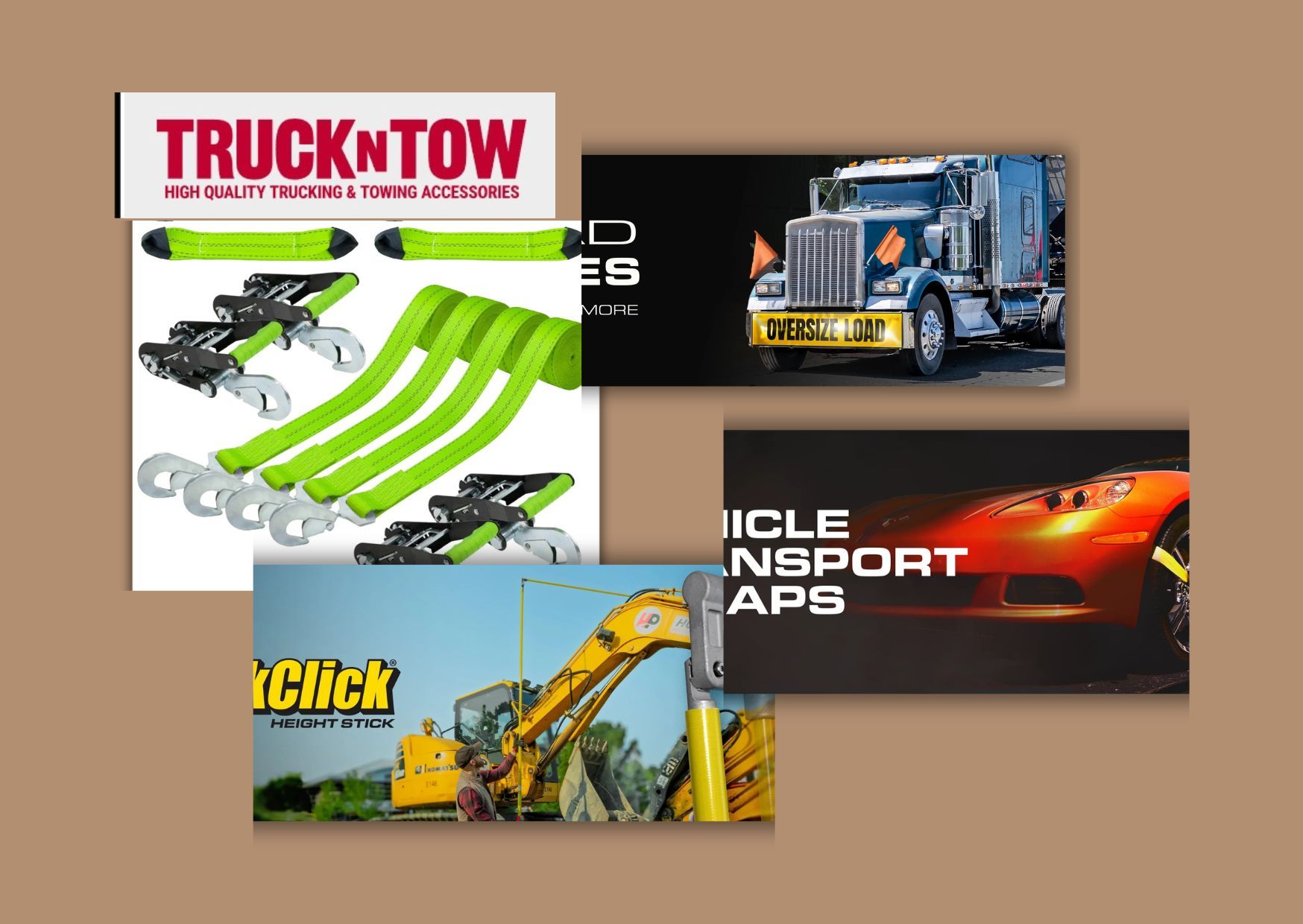
Choosing Tow Hook Chains: Service, Strength, Compatibility
What to compare when selecting chains
When you’re comparing towing and recovery hardware, start with how the chain system is built to perform under real load. Tow hook setups are often used for short pulls, controlled recovery, and hauling where alignment and shock tow hook chains loads matter. A quality chain set should be engineered with consistent link geometry, durable corrosion resistance, and dependable strength ratings. Serviceable components also help because wear is normal in demanding environments.
Next, compare compatibility with your vehicle’s recovery points and the way the chain connects. Some vehicles and tow configurations require specific shapes, clearances, or attachment methods, which affects safe engagement. If your plan involves frequent re-rigging, consider how easily the chain end can be managed and secured without excessive fiddling. Look for designs that minimize cross-loading and keep the chain working straight through the recovery cycle.
Strength ratings, wear patterns, and safety factors
Service comparison should include how manufacturers specify load limits and how those limits relate to your use case. Not all chain products behave the same when the pull direction changes or when a vehicle shifts under tension. Strong tow systems tend lockout tools to maintain integrity as the load increases, with links that resist stretching and critical areas that remain stable. If you plan towing on uneven terrain, prioritize chain sets designed for shock and dynamic forces.
Pay attention to wear patterns because they reveal whether a chain is designed for repeated use or just occasional pulls. For example, abrasion at the contact points can indicate poor surface finish or insufficient corrosion protection. Check how the chain holds up to grit, road salts, and moisture, since these conditions accelerate degradation. A well-matched chain and attachment strategy can reduce edge contact and help preserve performance over time.
Lockout tools, attachment reliability, and setup time
Attachment reliability is where many service comparisons become practical and cost-effective. The connection method should allow secure engagement while reducing the chance of slippage or accidental release. When the system is simple to apply correctly, operators make fewer mistakes in high-stress scenarios.
Consider setup time and repeatability for roadside and fleet workflows. A chain set that requires complex adjustments every time slows operations and can lead to rushed connections. Tools that support consistent locking and proper alignment can improve both safety and efficiency. Also evaluate how the chain is stored and handled, since a clean, organized kit reduces tangles and helps you inspect components before use.
Conclusion
Choosing the right recovery equipment is less about one “stronger” option and more about matching chain service to your towing style, vehicle compatibility, and connection method. Compare strength ratings, corrosion resistance, and how the chain behaves under dynamic loads, then verify that the attachment approach supports secure engagement. Tools that improve consistent locking and reduce setup errors can meaningfully affect safety outcomes, especially when conditions are unpredictable. If you want a dependable selection built for heavy roadside and transportation tasks, explore TrucknTow at TrucknTow.com and compare chain options designed for reliable towing performance. Service-minded purchasing also means planning for maintenance and inspection, not just initial strength. That combination of compatibility, durability, and dependable connection practices helps your recovery process feel controlled and predictable.
Warum eine unabhängige Bewertung Vertrauen schafft Nach einem Unfall hängt vieles an einer sauberen Schadendokumentation, denn sie bildet die Grundlage für die weiteren Schritte mit Versicherung ...

 How to create new field