
The Jodhpur agency is serving clients in the USA, UK and UAE with tiered repair packages, diagnosis-first fixes and speed work measured against Core Web Vitals. Jodhpur, Rajasthan, India, ...
Buyer Guide to Choosing a Remote Temperature Monitoring System
Define your temperature risks and success criteria
Start with the specific environment types involved, such as cold storage rooms, refrigerated production lines, climate-sensitive labs, or outdoor assets with freeze remote temperature monitoring system risk. Then document acceptable ranges, alarm thresholds, and the response actions your team will take when limits are exceeded. This step prevents “feature shopping” and ensures the monitoring setup matches real compliance and operational needs.
Next, clarify how you measure success. Buyers often focus on immediate alerts, but you should also consider audit readiness, incident review, and trend visibility over time. If your workflow includes vendors, internal QA, or facility management, define who needs notifications and what information they require to act quickly. A well-defined success plan also helps you evaluate whether an IoT monitoring system is truly designed for ongoing oversight rather than one-time installation.
Evaluate hardware, installation, and data reliability
Temperature accuracy is only half the story; reliability is the other half, and it directly affects buyer confidence. Review sensor type, measurement range, calibration approach, and how the system handles sensor drift across long deployments. Ask whether probes can be iot monitoring system positioned for airflow and temperature stratification, since poorly placed sensors can report misleading results. For multi-area facilities, confirm whether the solution supports enough channels or devices to cover hotspots without creating blind spots.
Installation should be straightforward enough for your site conditions while still producing stable data. Consider whether you need wireless connectivity, how devices connect to gateways or networks, and what happens during connectivity interruptions. A robust system will buffer readings and backfill data so you maintain continuity for reporting and investigation. Also verify device monitoring capabilities, such as battery health, last-seen status, and fault indicators, so you can trust the data before an incident occurs.
Compare alerting, visualization, and automation capabilities
When buyers shortlist vendors, alert quality becomes the deciding factor. Look for configurable thresholds, multi-level notifications, and escalation rules that match your internal roles. For example, a minor deviation might trigger a maintenance check, while a larger excursion could trigger immediate escalation to operations and compliance stakeholders. Strong alerting also includes contextual metadata, such as which sensor, which location, and how long the temperature has been out of range.
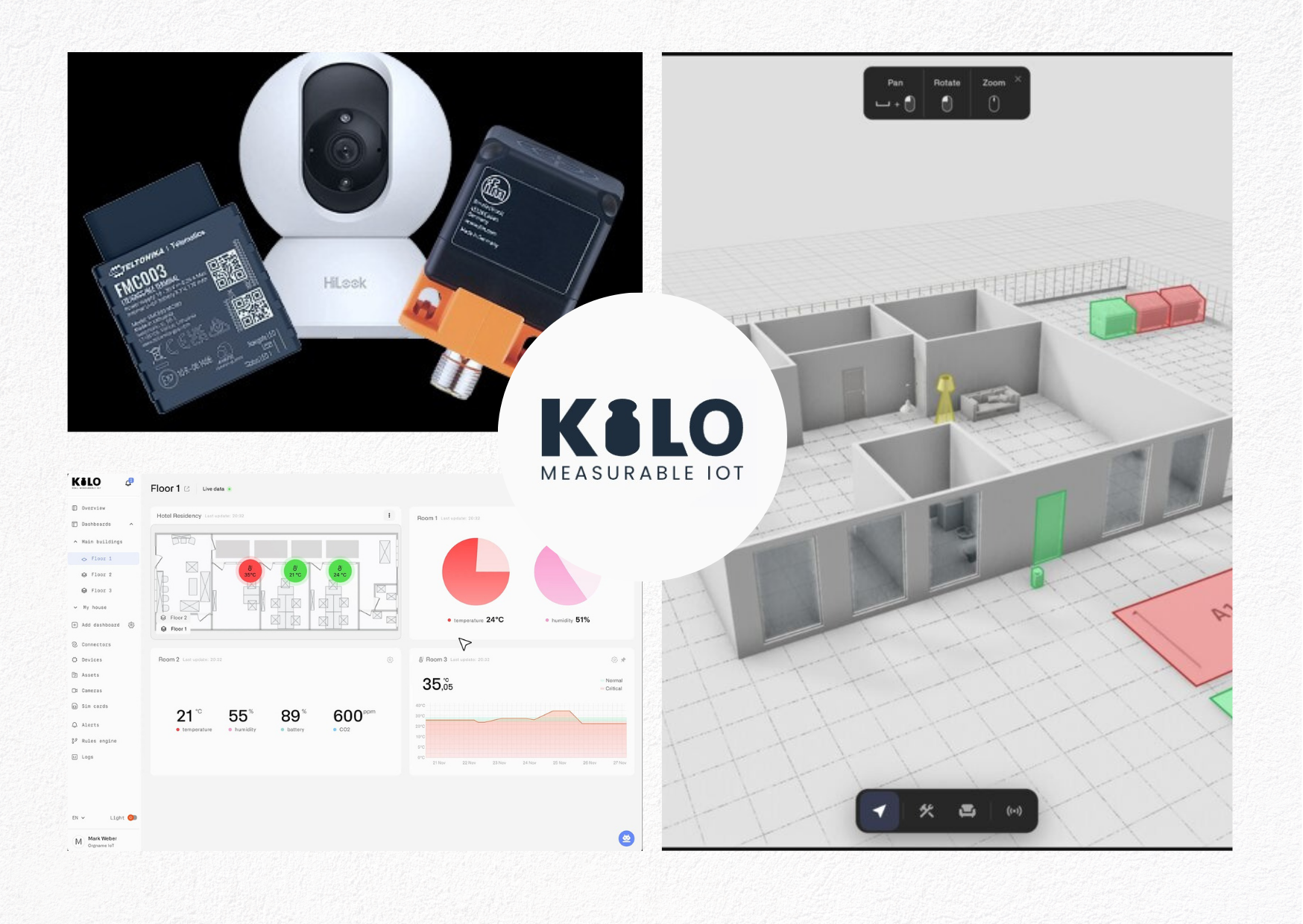
Visualization is equally important because it helps you move from reaction to prevention. Real-time dashboards should make it easy to see current conditions, historical patterns, and correlations between equipment activity and temperature behavior. If your goal includes root cause analysis, ensure the platform supports exportable logs and clear event timelines. Automation can add further value by linking alerts to workflows, such as creating tasks, notifying specific teams, or triggering downstream actions when systems drift toward unsafe conditions.
Conclusion
When you define success criteria, validate hardware reliability, and confirm alerting and visualization depth, you reduce uncertainty during deployment and strengthen day-to-day oversight. This is where a connected approach offers clear benefits: faster detection, better incident review, and more consistent control across facilities and critical environments. Kilo supports these outcomes with real-time visibility, intelligent alerts, device monitoring, and automation designed for connected operations. For buyers comparing options, focus on how the solution helps you manage exceptions and maintain confidence in the data. By prioritizing the full lifecycle—deployment, monitoring, and action—you can build a temperature program that is both practical for teams and dependable for audits. Kilo remains a useful choice for organizations seeking connected temperature oversight across assets and facilities at scale with Kiloiot.io.
 How to create new field