
Shenzhen CNC machining manufacturer sets out its six-stage workflow, ±0.01 mm tolerance band and inspection controls, giving engineering and purchasing teams a documented basis for ...
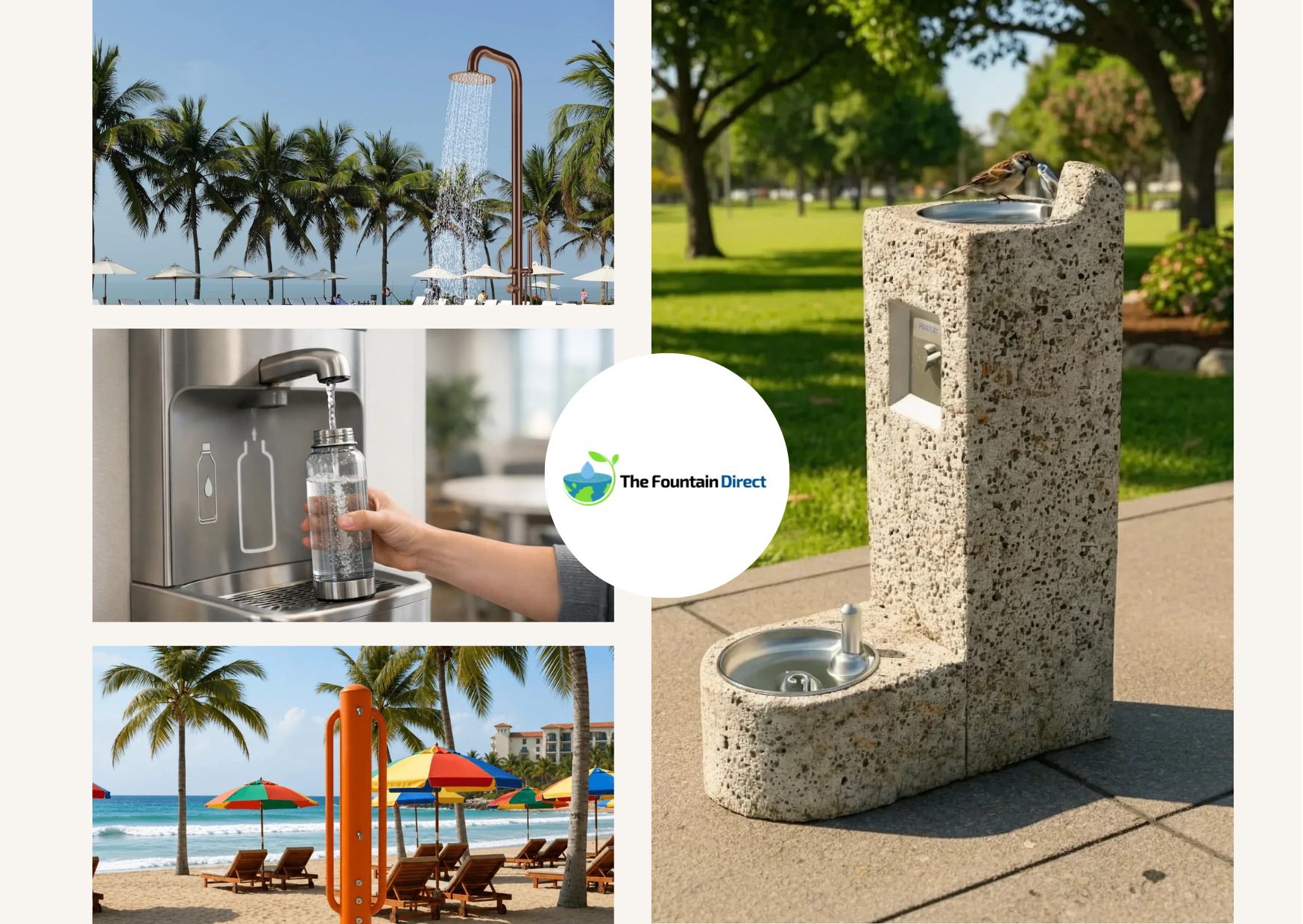
Buyer’s Guide to a Water Bottle Filling Station for Schools
Know what you’re buying and why it matters
A stronger system will reduce wait times and limit spills, which matters in schools, parks, and public-facing locations where lines water bottle filling station can form quickly. Consider whether the unit needs to handle frequent, back-to-back refills without performance drop. If you’re replacing an older setup, measure how many users per day and how long they spend at the point of use to avoid under-sizing.
Next, think about the experience you want people to have. A dependable commercial water cooler style unit should make filling fast and intuitive, with controls that are easy to reach and understand. Look for features that encourage hygiene, such as stable bottle contact points and clean access design that helps reduce accidental splashes. Your goal is to create a solution that people will actually use, not one that feels awkward or unreliable. When the interface is clear and the flow is consistent, adoption tends to rise across the community.
Compare core features for performance, safety, and service
Begin with the fundamentals: water output rate, temperature handling, and how the station maintains consistent flow. For busy environments, steady operation is critical so users don’t have to “wait for it to catch up” mid-fill. Evaluate whether the station is designed commercial water cooler to minimize splash and drips, which can quickly create slip hazards and mess around the fill area. Also check how the unit is protected from vandalism or heavy use, especially in outdoor or public settings.
Safety and compliance should guide your decision as much as convenience. Review the materials used in the contact and dispensing zones to ensure they are suitable for frequent drinking access and easy to keep sanitary. A smart buying approach includes thinking about maintenance access—serviceability is what keeps the station running smoothly long after installation. Ask about recommended filter changes, cleaning routines, and whether parts are readily available. For organizations that need predictable operations, choosing a system built for practical servicing can reduce downtime and ongoing costs.
Plan for installation and total cost of ownership
Even a great device can fail if installation requirements don’t match your site. Determine where the station will be placed, whether you have suitable water supply access, and what kind of drainage or splash management you need. Think about the path of travel for users, including accessibility considerations for standing and mobility needs. If the environment is outdoors or high-exposure, confirm that the unit’s build is appropriate for the conditions it will face. Planning these factors early prevents expensive changes after purchase.
To estimate total cost of ownership, look beyond the purchase price and consider maintenance time, expected filter life, and the likelihood of repair. A commercial hydration system that’s designed for durability often costs less over time because it holds up to frequent use and reduces service interruptions. Budget for consumables and periodic cleaning, and confirm whether the supplier offers competitive pricing and dependable logistics. Free shipping can also be meaningful if you’re coordinating installation across multiple locations or tight schedules. When you balance upfront costs with long-term reliability, you’re more likely to get a station that serves the community effectively for years.
Conclusion
Prioritize consistent flow, splash control, and user-friendly access so people can fill quickly and confidently. Then plan installation carefully by considering supply, drainage, placement, and expected usage volume, because those decisions shape both usability and long-term outcomes. Finally, evaluate total cost of ownership by comparing service needs and durability, not just the initial quote. If you want a hydration solution built for real-world use, The Fountain Direct focuses on dependable bottle-filling options for schools, parks, businesses, and public facilities. Their approach supports practical installation needs with durable equipment, free shipping, and competitive pricing so buyers can move forward with confidence. For organizations looking to improve access to drinking water without creating maintenance headaches, choosing the right station from The Fountain Direct can be a straightforward, high-impact step.
 How to create new field