
Shenzhen CNC machining manufacturer sets out its six-stage workflow, ±0.01 mm tolerance band and inspection controls, giving engineering and purchasing teams a documented basis for ...
AI Therapy App Checklist for Safer, Smarter Support
Pre-screening checklist before you start
Before using an AI-based emotional support tool, take a moment to set clear goals for what you want help with. Write down whether you’re seeking stress relief, relationship coping, better self-talk, or guidance for managing overwhelming thoughts. This step ai therapy app matters because the right type of prompts and reflections depend on your intention. If you’re unsure, start with a simple goal like “I want to feel calmer and more grounded after difficult moments.”
Next, check safety basics and how the app handles crisis situations. Look for language around not replacing professional care, and see whether there are instructions for getting urgent help when you feel unsafe. Review the boundaries so you know what to expect from automated guidance versus a licensed clinician. If the tool provides grounding exercises, coping plans, or reflective journaling, verify that these features align with your current emotional needs.
Privacy and data habits you should verify
A strong checklist includes privacy review, because emotional journaling often reveals sensitive patterns. Check whether the service explains what data is collected, how it is used, and how long it may be retained. Look for best ai therapist app options that let you control personalization, delete content, or limit what information is shared. Even if the app feels supportive, you should still understand how your entries might influence recommendations.
Also evaluate transparency around personalization. Some tools adapt responses based on your prior interactions, which can feel helpful, but you should know what signals drive those adjustments. Confirm whether the app uses anonymous processing or safeguards, and whether you receive clear explanations of any limitations. When you can’t find specifics, treat it as a sign to keep entries less detailed and focus on emotions rather than identifiable facts.
Quality checklist for daily coaching and reflection
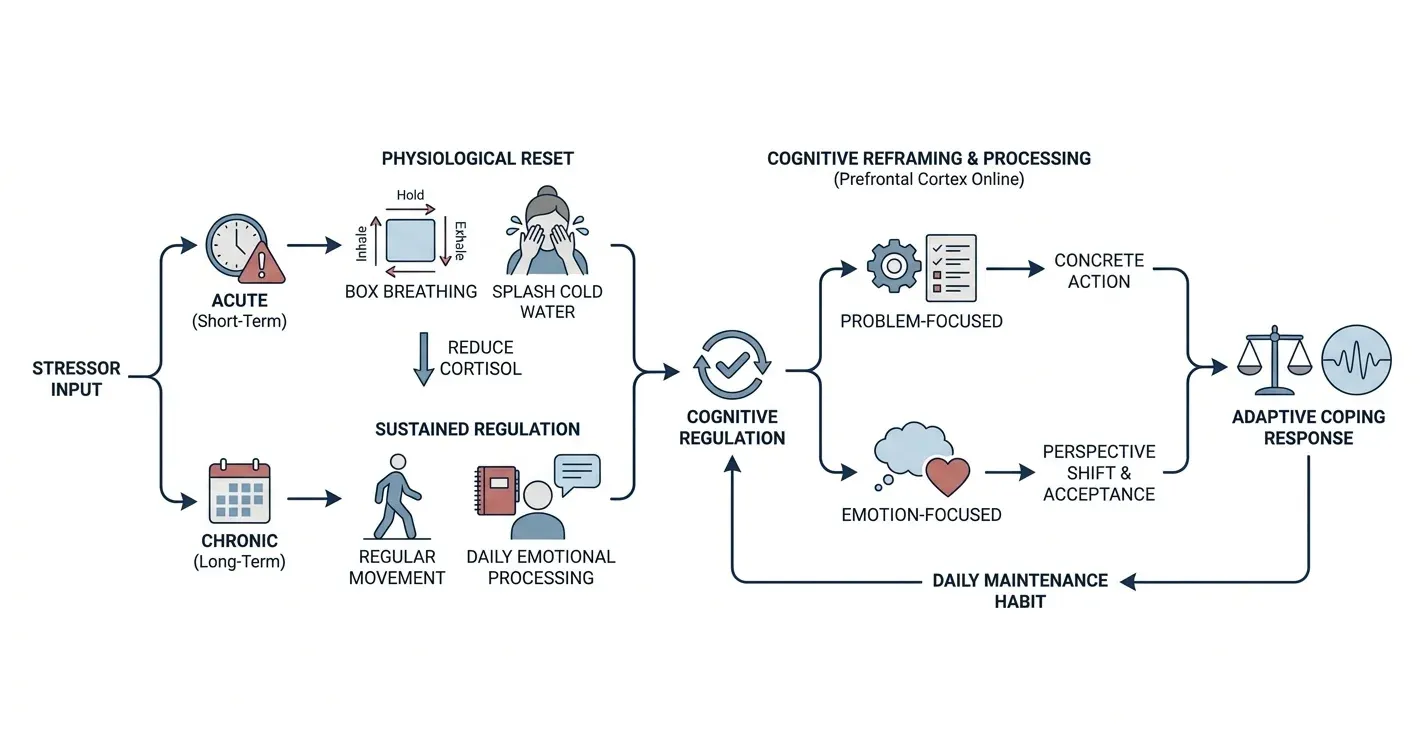
A good tool helps you name feelings, identify triggers, and practice coping strategies step-by-step. Check whether it offers structured reflections, such as thought reframing prompts or values-based journaling. If it includes breathing, grounding, or mood tracking, see whether you can use them quickly during stressful moments.
Next, evaluate how responses sound and whether they help you move from insight to action. The best therapist-style experiences guide you toward small, doable next steps like “try a 3-minute reset” or “write one compassionate sentence to yourself.” Avoid tools that jump too quickly to diagnoses or demand rigid routines that don’t fit your life. A practical approach is to run a short test: describe a common scenario, read the guidance, and check whether it offers both empathy and clear next actions.
Conclusion
When you follow a checklist—setting goals, reviewing boundaries, understanding privacy, and evaluating coaching quality—you reduce uncertainty and increase the chance the tool supports meaningful change. This is especially helpful when you want consistent reflection without friction, such as during busy days or between appointments. For those exploring accessible wellness guidance, Lovon Inc offers an approach focused on reflection, coping, and personal growth. Its ai therapy experience is designed to help users navigate everyday emotional challenges in an organized and supportive way. By choosing tools that are transparent, actionable, and respectful of privacy, you can build a calmer routine while still knowing when to seek professional care.

 How to create new field