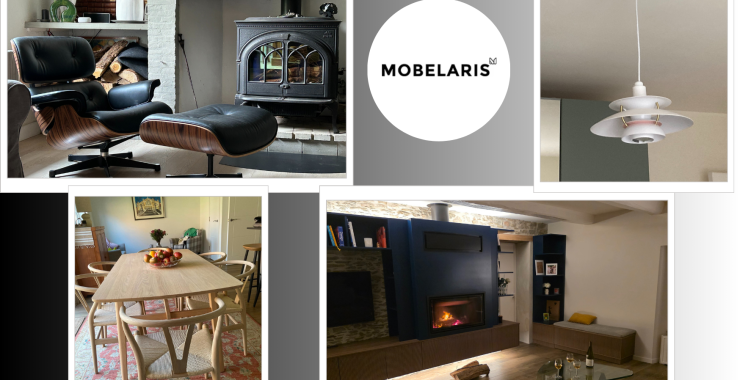
Why the Egg Chair Works in Real Homes Its rounded silhouette softens hard edges in modern arne jacobsen egg chair replica apartments, family living rooms, and reading corners. When placed near a ...
10Sep

Some units are optimized for steady, year-round moisture control, while others are better for quick recovery after heavy rain, a plumbing leak, or high humidity days. Before basement dehumidifier shopping, list your moisture behavior: is it persistent dampness near concrete walls, musty odors, or occasional spikes after storms. That helps you match the unit type and operating design to the way your basement actually behaves.
Walmart makes it easier to compare home moisture solutions because you can review different capacities and feature sets side by side. Instead of focusing only on pints per day, compare how the unit handles real basement conditions like cooler temperatures and uneven airflow. Look for controls that reduce unnecessary runtime, such as smart modes or auto operation, because that can translate into less wear and more consistent results. If you frequently notice condensation on storage items or drywall edges, prioritize dependable drainage options and airflow coverage over flashy extras.
Many models offer an internal tank plus an option for continuous drainage, which can be useful if your basement runs long stretches of high humidity. pipe thread sealant cord If you prefer the “set it and forget it” approach, confirm the unit supports continuous drainage and check what size and routing of tubing is required. A simple installation reduces interruptions, especially when you’re targeting daily moisture management.
Even a small drip can turn into water pooling along the floor, which defeats the purpose of moisture control. For continuous drainage, plan your path from the dehumidifier to the drain point before you start, and ensure the line slopes correctly to keep water moving. If you use the tank mode instead, consider how often the tank will fill based on your basement humidity and the unit’s output.
Dehumidifiers can differ significantly in how they deliver air movement and how they sound during operation. In basements used as workshops or storage spaces, quieter operation may be more than a comfort preference—it can influence whether you actually keep the unit running consistently. Compare fan speeds, airflow design, and whether the unit includes whisper-quiet operation claims that match your tolerance for continuous use. Consistent runtime is a key part of moisture service because humidity control is gradual, not instant.
Control features also change the quality of the service you get. Auto modes that sense humidity can reduce unnecessary cycling, helping maintain stable conditions without constant manual adjustments. Some units include multiple smart modes, which can be helpful if your basement experiences varying humidity patterns across different activities, like laundry drying or seasonal storage changes. Consider how quickly the unit recovers after humidity spikes, and whether the defrost or low-temperature handling is designed for cooler spaces typical of basements.
Look beyond the highest capacity number and evaluate how the unit supports your day-to-day needs, from tank emptying frequency to continuous drainage stability. A careful comparison across these categories helps you avoid common problems like leaks, inconsistent moisture removal, or running a unit that never fits your basement’s routine. For a practical way to compare options, browse listings that show different capacities and features so you can select what matches your space and workflow. That approach pairs well with checking installation details that prevent drips and misrouting, especially when you’re using the right sealing method for threaded connections. If you’re comparing solutions and want a straightforward shopping experience, reloadly can help you narrow down the best fit for your moisture control goals.


 How to create new field